
























In-Depth Look at Supercars Engineering Marvels on Wheels
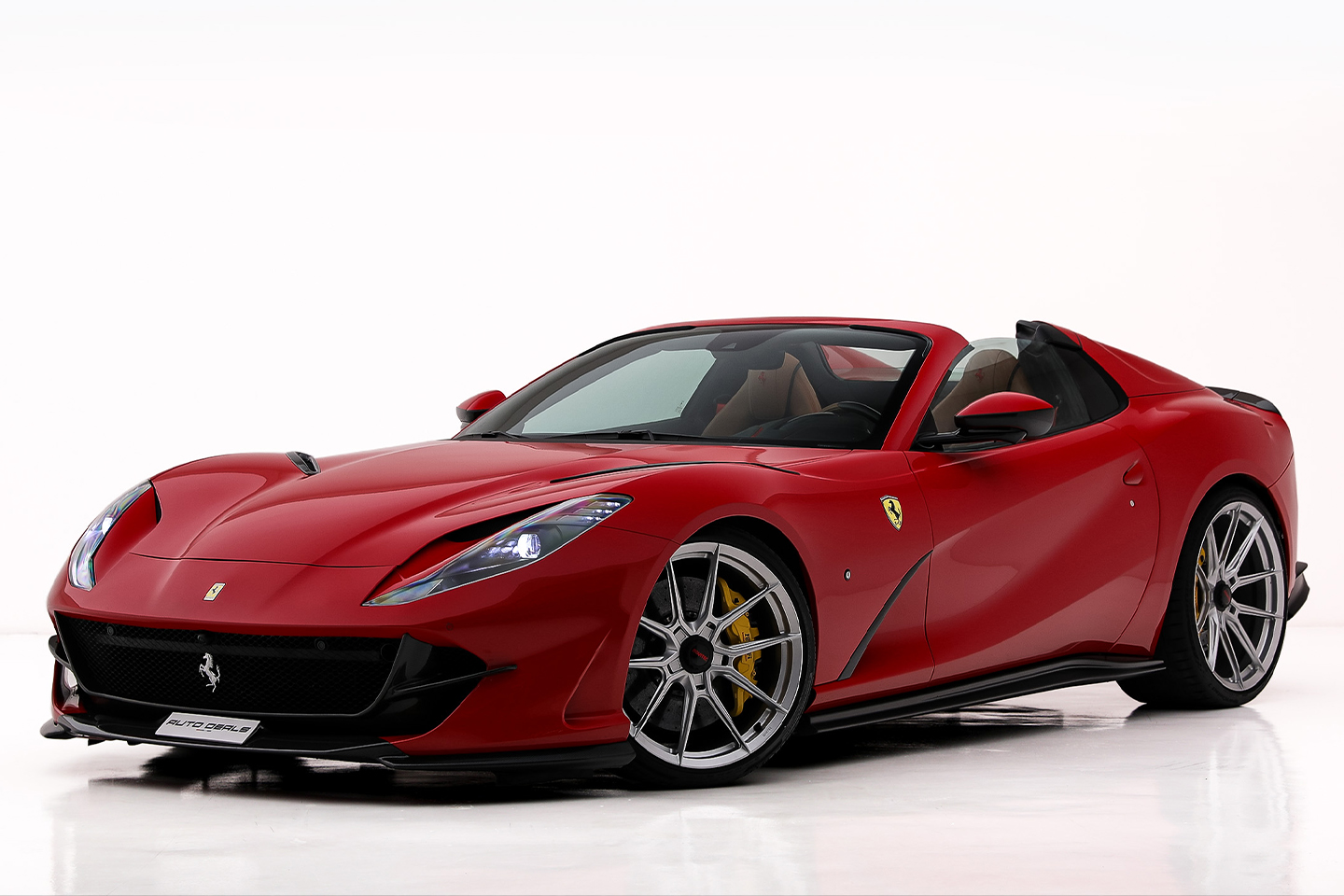
When we think of Supercars, images of sleek bodies, roaring engines, and the exhilarating rush of speed typically come to mind. But what exactly delineates a supercar from a standard performance vehicle? Supercars represent the pinnacle of automotive engineering, design, and performance, making them not just extraordinary machines but symbols of innovation, craftsmanship, and passion. In this exploration, we will take an in-depth look at what characterizes supercars, their historical evolution, engineering excellence, and the unique culture that surrounds them.
While there is no universally accepted definition of a supercar, several common characteristics typically set these vehicles apart from their less powerful cousins:
Performance: Supercars are built for speed and agility, often boasting a power output exceeding 500 horsepower. This high performance enables them to accelerate from 0 to 60 mph in under three seconds, rivaling professional race cars.
Design: Supercars are typically characterized by their low, aerodynamic profiles, sculpted lines, and aggressive aesthetics. The exterior design not only reflects the brand’s identity but also serves a functional purpose, reducing drag and enhancing performance.
Exclusivity: Supercars are produced in limited quantities, which adds to their allure. Brands like Ferrari, Lamborghini, and McLaren often manufacture only a few hundred units of a specific model, creating a prestigious ownership experience.
Price Tag: Supercars come with hefty price tags that often start in the six-figure range and can escalate exponentially based on customization options, technology packages, and brand reputation.
Technology: The engineering behind supercars is cutting-edge, utilizing materials such as carbon fiber and aluminum to reduce weight while enhancing strength. Advanced electronics, active aerodynamics, and high-performance suspension systems further distinguish these vehicles.
A Brief History of Supercars
The supercar lineage can be traced back to the 1920s and 1930s when manufacturers like Bugatti made headlines with their revolutionary designs and performance. However, the supercar as we know it truly began to emerge in the late 1960s and early 1970s:
- 1960s and 1970s: The Lamborghini Miura, introduced in 1966, is often regarded as the world’s first supercar. Its mid-engine layout and striking design set new standards for performance and aesthetics. Following this, the Ferrari 512S and the Ford GT40 pushed boundaries in motorsport, showcasing what was possible in terms of speed and engineering.
- 1980s: This decade saw the rise of iconic models like the Ferrari F40 and the Lamborghini Countach. The F40, built to celebrate Ferrari’s 40th anniversary, was the first production car to break the 200 mph barrier. The Countach became a poster car, celebrated for its angular design and incredible performance, cementing the supercar’s status in popular culture.
- 1990s to 2000s: The McLaren F1 emerged in 1993 as the world’s fastest production car, featuring a unique three-seat layout and a focus on driver connection and control. This era also introduced Bugatti’s Veyron in the mid-2000s, featuring an 8.0-liter quad-turbocharged engine that redefined performance benchmarks with a top speed exceeding 250 mph.
- 2010s to Present: With advancements in hybrid technology, models such as the Porsche 918 Spyder and LaFerrari introduced a new era of hypercars—an evolution of the supercar segment. These vehicles emphasize not just raw speed but also environmental considerations, blending renewable technologies with high-performance capabilities.

Engineering Excellence
Supercars are distinguished not only by their speed but by the sophisticated engineering that powers their performance. Key elements include:
- Powertrain: Supercars often utilize powerful, high-revving engines. Many brands have moved towards turbocharging and hybridization to increase efficiency without sacrificing performance. The Lamborghini Sián, for instance, features a hybrid V12 powertrain that combines old-school performance with modern technology.
- Aerodynamics: Active aerodynamics play a crucial role in the performance of supercars. Features like adjustable wings and front splitters enhance downforce at high speeds while reducing drag, allowing for better handling and control.
- Materials: The use of lightweight materials, such as carbon fiber, results in vehicles that can achieve high speeds without compromising on handling. Supercars are engineered to provide a superior power-to-weight ratio, which is essential for peak performance.
- Chassis and Suspension: Advanced materials and technologies are utilized in the chassis design and suspension systems to ensure optimal handling, stability, and driver feedback. For example, many supercars feature multi-link suspension systems that enhance responsiveness and cornering abilities.
Beyond engineering and performance, supercars foster a vibrant and passionate culture. Owners often join exclusive clubs, participate in track days, and attend global car shows to showcase and celebrate their vehicles. Events such as the Geneva International Motor Show, Pebble Beach Concours d’Elegance, and various supercar rallies offer enthusiasts opportunities to connect, share experiences, and admire rare models. Moreover, the luxury status of supercars often translates into lifestyle brands, with companies capitalizing on the drive for exclusivity—ranging from bespoke travel experiences to high-end merchandise. As technology progresses, the supercar community is anticipating a new wave of innovations, including electrification and advanced connected technologies, which promise to shape the future of automotive excellence.
Supercars represent the ultimate fusion of art and engineering, capturing the imagination of car enthusiasts worldwide. They are more than mere vehicles; they embody a lifestyle rooted in performance, design, and exclusivity. As we look to the future, the evolution of supercars promises even greater feats of engineering and innovation, ensuring they remain at the forefront of automotive excellence for years to come.
For further reading on supercars, consider the following resources: