

























The McLaren P1: A Triumph of Automotive Engineering

The automotive industry has seen remarkable evolution over the decades, with supercars representing the pinnacle of engineering and design. Among these illustrious vehicles, the McLaren P1 stands out as an icon of modern performance and innovation. This hybrid supercar not only embodies the spirit of McLaren but also redefines what an ultra-high performance vehicle can achieve. In this comprehensive article, we will delve into the history, specifications, design, and impact of the McLaren P1, making it a pivotal study for car enthusiasts and potential buyers alike.
Launched at the 2012 Paris Motor Show, the McLaren P1 garnered immediate attention from automotive journalists and enthusiasts. The P1 was conceived during a burgeoning era of hybrid technology, where the marriage of efficiency and power became increasingly desirable. McLaren aimed to create not just a fast car, but the fastest and most advanced production car ever made. With a limited production run of only 375 units, each vehicle was meticulously crafted to ensure exclusivity and exceptional performance.
Key Specifications of the McLaren P1
At the heart of the McLaren P1 lies a powerful hybrid powertrain. It combines a 3.8-liter twin-turbocharged V8 engine with an electric motor, together outputting an impressive 903 horsepower and 900 Nm (664 lb-ft) of torque. The electric motor contributes an additional 177 horsepower, showcasing how hybrid technology can augment traditional internal combustion engines.
Performance Metrics
Performance is where the P1 truly shines. It can accelerate from 0 to 60 mph in just 2.7 seconds and boasts a top speed of approximately 217 mph. Notably, the P1 also features a unique Drag Reduction System (DRS) that allows the driver to adjust the rear wing for better aerodynamics and reduced drag, enhancing high-speed stability.
The McLaren P1: Revolutionizing the Supercar Landscape
In the world of supercars, the McLaren P1 stands as a monumental achievement, blending cutting-edge technology, powerhouse performance, and unparalleled design. As one of the flagship products of the British automotive manufacturer, the P1 has not only raised the bar for hybrid hypercars but has also influenced the direction of automotive engineering as a whole. This article delves deep into the McLaren P1, exploring its specifications, design philosophy, technological innovations, and its lasting impact on the automotive industry.
The Genesis of the McLaren P1
Unveiled at the 2012 Paris Motor Show, the McLaren P1 was envisioned as the successor to the legendary McLaren F1, which reigned supreme in the 1990s. The automotive landscape was rapidly evolving, with hybrid technology gaining momentum. McLaren aimed to create a vehicle that would embody the principles of Formula 1 racing, combining high efficiency with blistering performance. With only 375 units produced, the P1 was crafted to be an exclusive masterpiece, appealing to both collectors and performance enthusiasts.
Hybrid Powertrain
The McLaren P1 features a ground-breaking hybrid powertrain that harmonizes a 3.8-liter twin-turbo V8 engine and a synchronous electric motor. Together, they produce a staggering total output of 903 horsepower and 900 Nm (664 lb-ft) of torque. This setup not only provides lightning-fast acceleration but also enhances fuel efficiency, demonstrating that raw power can coexist with sustainability in the supercar realm.
When it comes to performance, the P1 excels in all aspects. It can sprint from 0 to 60 mph in a mere 2.7 seconds, with a top speed electronically limited to 217 mph. One of its standout features is the Drag Reduction System (DRS), which allows the driver to optimize aerodynamics by adjusting the rear wing, thereby enhancing speed and stability during high-speed runs.
Innovative Design
The design of the McLaren P1 is as much about aesthetics as it is about function. Crafted in the McLaren Production Centre, every inch of the P1 is tailored for performance. The car’s aerodynamic shape is complemented by active aerodynamics, which adjust in real-time for optimal downforce. The lightweight carbon-fiber structure, combined with strategic weight distribution, enables remarkable handling dynamics, making the P1 a true driver’s car.
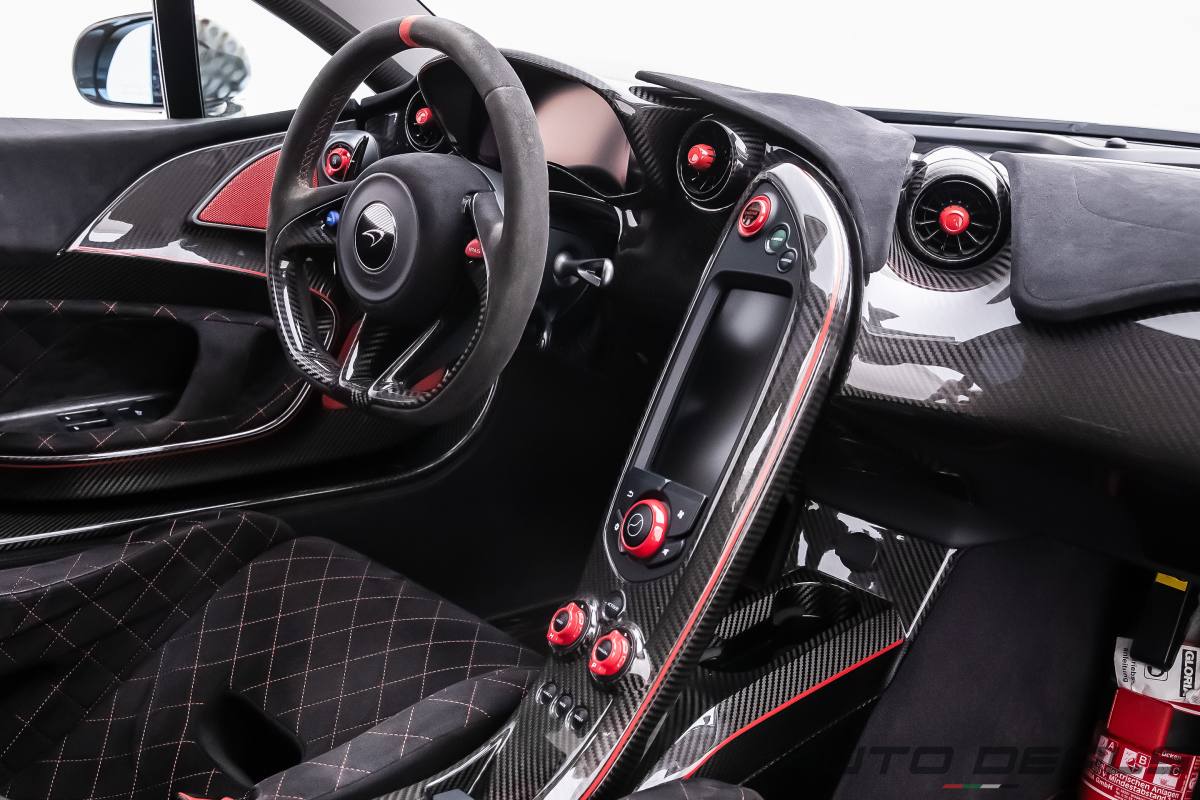
Inside the P1, exemplary craftsmanship meets advanced technology. The cockpit is designed with a focus on driver engagement, with controls that offer instant access to performance settings. The minimalist design is not just for show; it emphasizes functionality while providing a luxurious and comfortable experience for both driver and passenger.
Technological Marvels
In addition to its remarkable powertrain, the McLaren P1 is laden with advanced technological innovations. Elements such as regenerative braking, which recovers energy lost during braking, enhance the car’s efficiency. The interactive touchscreen interface provides seamless connectivity and control over various vehicle functions, keeping the driver informed and engaged.
The Legacy of the McLaren P1
The McLaren P1 has left a lasting legacy in the automotive world. As one of the early adopters of hybrid technology in supercars, it paved the way for other manufacturers to explore similar avenues. Its combination of speed, technology, and innovation has inspired subsequent hypercars and raised expectations in the performance sector. Even years after its release, the P1 remains a benchmark for what a hybrid supercar can and should be.
The McLaren P1 is more than just a supercar; it is a statement of intent from McLaren Automotive, showcasing their commitment to pushing boundaries. With its exceptional performance, groundbreaking hybrid technology, and striking design, the P1 captures the essence of modern automotive engineering. For car enthusiasts and potential buyers, it’s a reminder of what’s possible when creativity meets cutting-edge technology in the world of supercars. For more information on the McLaren P1 and other automotives, you can explore the following links:
Recent Posts


September 30, 2026