
























The Importance of the Formula 1 Steering Wheel: An In-Depth Look
Formula 1 racing is a sport where every millisecond counts, and the precision of engineering is matched only by the skill of the drivers. At the heart of this high-octane discipline lies an often-overlooked yet critically important component: the steering wheel. More than just a simple device for steering, the Formula 1 steering wheel is a high-tech marvel that plays a pivotal role in a driver’s performance. In this post, we’ll explore the intricacies of the F1 steering wheel, why it’s indispensable for drivers, and how it is engineered to meet the demanding needs of the sport.
What Is the Formula 1 Steering Wheel?
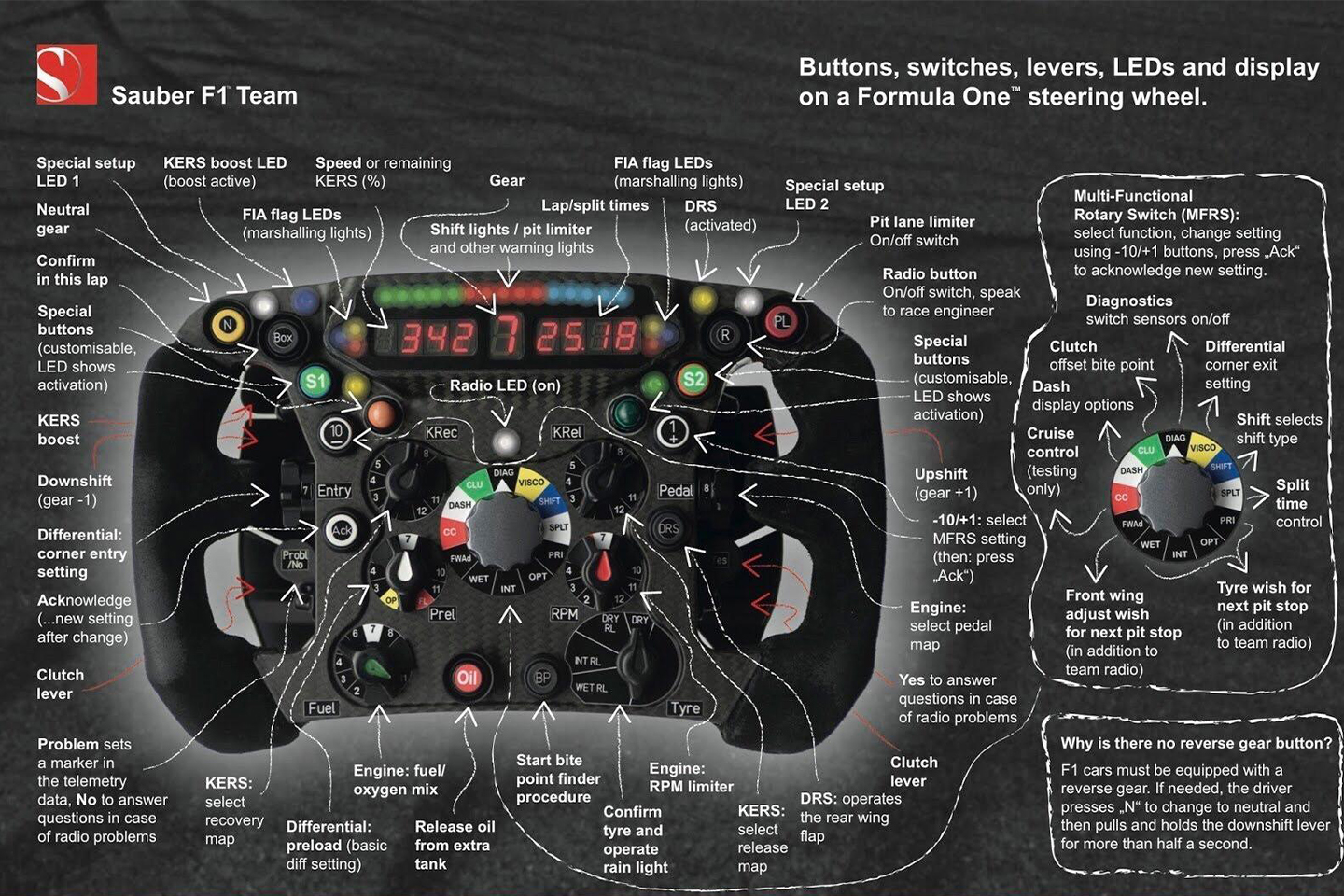
At first glance, an F1 steering wheel may look comparable to traditional car steering wheels. However, that is where the similarities end. An F1 steering wheel is a complex piece of technology that integrates various controls and functions typically spread across multiple devices in conventional vehicles. Made from lightweight materials, such as carbon fiber, the steering wheel is designed to be both strong and ergonomic, allowing drivers to manage the car’s dynamics with utmost precision. The intricate layout of buttons, switches, and dials on the steering wheel gives drivers instantaneous access to essential functions. From adjusting settings like tire pressures to toggling between engine modes and activating the DRS (Drag Reduction System), every feature is engineered for optimal performance. Also, most F1 steering wheels come equipped with a digital display that provides real-time telemetry data, enhancing a driver’s situational awareness on the track.
The Role of the Steering Wheel in Racing
- Control and Handling
The primary function of the steering wheel, of course, is to control the car’s direction. However, it involves more than just turning left or right. In F1 racing, where speeds can exceed 200 mph, the steering wheel gives drivers the ability to make rapid adjustments in response to track conditions, tire wear, and even the behavior of other competitors. The steering system itself is highly sensitive, allowing for pinpoint accuracy—a necessity when navigating tight corners and changing elevations
- Adaptability and Customization
Each driver has unique preferences when it comes to how their car feels on the track. F1 teams design and configure steering wheels that are tailored to the specific requirements of their drivers. This customization could include the position of buttons, the weight of the wheel, or the responsiveness of the controls. The ability to adapt a steering wheel to individual driving styles contributes to enhanced performance and comfort, allowing drivers to focus on racing without being hindered by poorly positioned controls.
- Real-Time Feedback and Telemetry
Telemetry is a game-changing aspect of modern F1 racing, and the steering wheel is a crucial interface for real-time data feedback. Drivers can monitor crucial aspects such as tire temperature, fuel levels, and engine performance directly from their steering wheel. This information is vital for making split-second decisions that can impact race strategies. For example, if a driver notices unusual tire wear, they can adjust their driving style or notify their team for a mid-race pit stop, thereby influencing the overall outcome of the race.
Why Drivers Need Their Steering Wheel
Integral Component of Race Strategy
The steering wheel is more than just a tool for control; it is integral to a driver’s race strategy. Many teams spend countless hours analyzing the data collected via the steering wheel to refine their approach to each race, creating a direct link between the driver’s input and the team’s overall strategy. Without their steering wheel, drivers would be deprived of the complete set of controls necessary to execute their approach effectively.
Safety Considerations
Safety is paramount in Formula 1, and the steering wheel is designed with various safety features. Each wheel includes a quick-release mechanism that allows drivers to exit the car rapidly in case of an emergency. The ability for a driver to have their steering wheel immediately available ensures they can efficiently and safely leave the vehicle should a dangerous situation arise, making it a lifeline in moments where every second counts.
Communication with Teams
The F1 steering wheel provides drivers with the means to communicate directly with their teams. Communication channels built into the steering wheel allow drivers to send important data back to their pit crews, facilitating quick adjustments to race strategy. This connection between drivers and their teams is essential for adapting to changing race conditions, making the steering wheel an indispensable tool during races.
In summary, the Formula 1 steering wheel is a sophisticated piece of technology that extends far beyond mere functionality. It embodies the intricacies of race strategy, driver preference, adaptability, and safety. For drivers, the steering wheel is a lifeline that connects them with the car, the team, and the race itself. Given its crucial role in every aspect of racing, it is unmistakably clear why the steering wheel is so important and why drivers must always have it with them as they tackle the exhilarating challenges of Formula 1.
For those who want to dive deeper into the world of Formula 1 steering wheels, you may find the following links helpful:
Feel free to explore these resources for a better grasp of the technical marvel that is the Formula 1 steering wheel!