























Unleashing the Legend: A Comprehensive Guide to the Ford Mustang
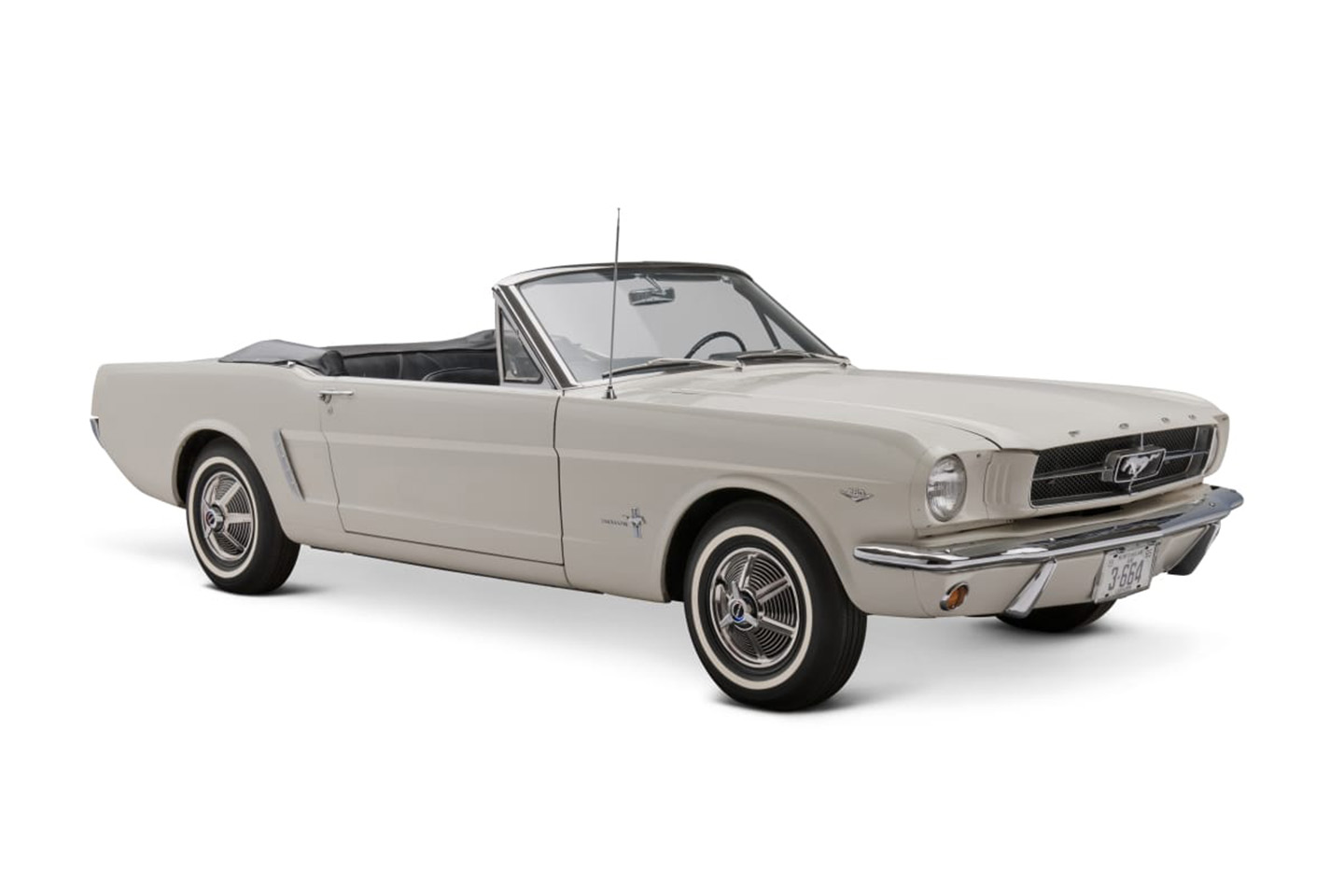
When it comes to American muscle cars, few names resonate as strongly as the Ford Mustang. Since its introduction in 1964 as a revolutionary vehicle that combined performance and style, the Mustang has solidified its position in automotive history. This article provides in-depth insights into the evolution, performance specifications, and cultural significance of the Ford Mustang, making it an indispensable resource for enthusiasts and potential buyers alike.
A Brief History of the Ford Mustang
The Ford Mustang was launched on April 17, 1964, at the New York World’s Fair, creating an immediate sensation. Designed by Lee Iacocca and his team, the Mustang was aimed at youthful drivers looking for a budget-friendly yet sporty car. It quickly became a symbol of the 1960s American culture, embodying freedom and rebellion. The original Mustang was available as a hardtop or convertible and featured a range of engine options. The 1965 model year saw the introduction of the famous “pony car” segment, which inspired competitors to develop their own versions. Over the decades, the Mustang has undergone numerous redesigns, each reflecting the changing automotive landscape while retaining its iconic identity.
Key Generations of the Ford Mustang
- First Generation (1964-1973): This era saw the establishment of the Mustang’s identity, characterized by its sleek design and array of engines, including the powerful V8 options. Models like the Mustang GT and Mach 1 emerged, becoming legends of their own.
- Second Generation (1974-1978): A transition period, the Mustang II was smaller and more fuel-efficient, reflecting the oil crisis and changing consumer preferences. This generation paved the way for a more diverse target audience.
- Third Generation (1979-1993): Often referred to as the “Fox Body” Mustang, it brought back the performance aspect. This generation offered various trims and features, further solidifying its popularity The Ford Mustang: An Icon of American Automotive Culture
When one thinks of iconic American cars, the Ford Mustang invariably comes to mind. This legendary vehicle has transcended mere transportation to become a symbol of freedom, performance, and American ingenuity. In this article, we will explore the rich history, various generations, and enduring appeal of the Ford Mustang, making it a must-read for both car enthusiasts and those considering their next vehicle purchase.
The Birth of an Icon
The Ford Mustang was first introduced on April 17, 1964, during the New York World’s Fair. Developed under the guidance of Lee Iacocca, the Mustang was designed to appeal to a younger audience seeking a fun, affordable car that didn’t sacrifice performance. The initial response was overwhelming; within the first year, Ford had sold over 400,000 units, marking the Mustang as the fastest-selling car in history at that time. The first-generation Mustang set a new standard for sports cars. It was offered in various body styles, including hardtop and convertible, and featured a range of engine options, from a modest inline-6 to the powerful V8. This diversity helped establish the Mustang as a versatile vehicle that could cater to a broad array of consumer tastes.
Evolution of the Mustang: Generations and Features
The Ford Mustang has undergone several transformations since its debut, reflecting changes in consumer preferences and technological advancements. Below are the key generations of the Mustang:
- First Generation (1964-1973): Embodying the spirit of the ’60s, the first generation introduced a variety of models, including the fastback and convertible versions. Performance-focused models like the Mustang GT and the legendary Mustang Boss 302 pushed the envelope of what a muscle car could be.
- Second Generation (1974-1978): The Mustang II marked a significant shift as it aimed to capture a new market during the oil crisis. It was smaller and more fuel-efficient, which allowed Ford to maintain sales despite the changing automotive landscape.
- Third Generation (1979-1993): Known as the “Fox Body” Mustang, this generation saw a return to performance-oriented designs. With multiple engine choices and sporty models like the Mustang GT, it reestablished the Mustang’s reputation as a muscle car.
- Fourth Generation (1994-2004): This period introduced a more modern design and a powerful V8 engine, enhancing the Mustang’s appeal. The return of the Mustang Cobra and the introduction of the SVT (Special Vehicle Team) Mustang focused on high-performance features.
- Fifth Generation (2005-2014): Combining nostalgic design elements with modern technology, this generation revitalized interest in the Mustang. It featured improved handling, safety, and fuel efficiency, along with a powerful lineup of V6 and V8 engines.
- Sixth Generation (2015-Present): The current generation continues to innovate with advanced technology, enhanced performance features, and a variety of engine options that include the turbocharged EcoBoost engine and the ferocious Shelby GT350 and GT500 models.
Why the Mustang Continues to Captivate
The Ford Mustang is more than just a car; it’s a cultural phenomenon. From movies like “Bullitt” and “Gone in 60 Seconds” to participation in motorsports, the Mustang has created a legacy that resonates with multiple generations. Its blend of style, performance, and price makes it a compelling choice for a diverse audience. Whether you’re drawn to its muscle car roots or the modern features of recent models, the Mustang offers something for everyone.
The Mustang Today: A Blend of Nostalgia and Innovation
Today’s Ford Mustang is equipped with cutting-edge technology that enhances the driving experience, including advanced infotainment systems and safety features. Eco-friendly options, such as the turbocharged engines, reflect the changing automotive landscape while maintaining the performance the Mustang is renowned for. Whether you are a longtime Mustang fan or a newcomer, there has never been a better time to explore the offerings of this legendary brand. The Ford Mustang continues to evolve while staying true to the core values that have made it an enduring icon in American automotive culture.
The Ford Mustang stands as a testament to American automotive history, embodying the spirit of freedom, performance, and innovation. With its rich past and promising future, the Mustang will surely continue to be a beloved choice among car enthusiasts and everyday drivers alike.